
Commercial Flooring Companies in New York: How to Choose the Right One
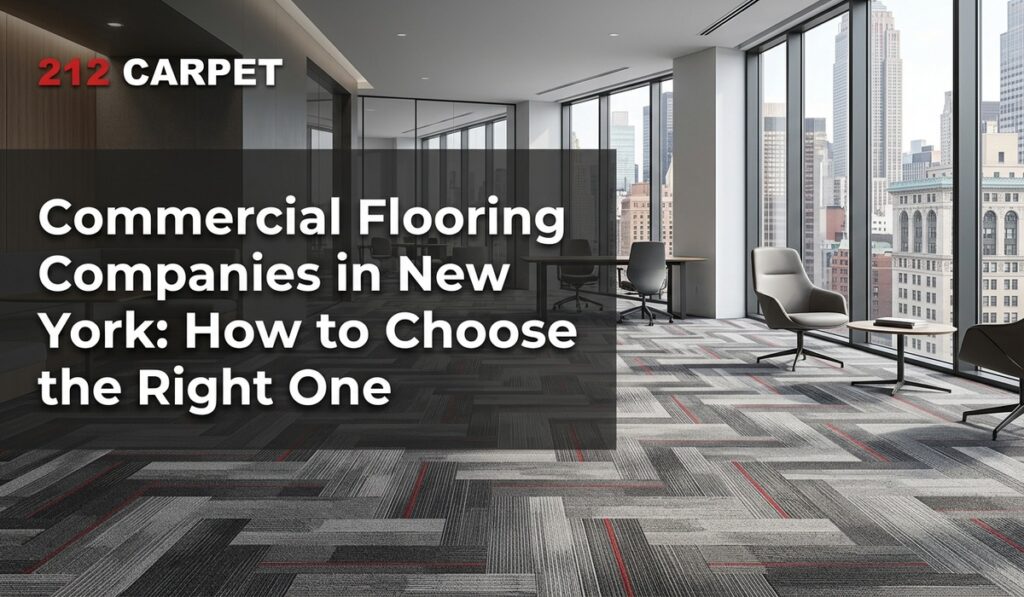
The best commercial flooring companies in New York are licensed, insured, and experienced with NYC building rules, tight schedules, and busy buildings. Look for a team that offers after-hours installation, handles subfloor prep, gives written quotes, and shows proof of past commercial projects. Whether you need commercial flooring installation NYC for an office, shop, restaurant, or clinic, this guide explains how to choose the right company, what affects cost, and which common mistakes to avoid.
What Does a Commercial Flooring Company Actually Do?
A commercial flooring company does more than lay a new surface. A good one handles the whole job from start to finish.
- Site measurement and floor assessment
- Moisture and subfloor testing
- Removal of old flooring
- Leveling and surface preparation
- Installation of the new floor
- Cleanup, walkthrough, and care instructions
Commercial work is different from home work. Floors face heavy foot traffic, rolling carts, furniture, and daily cleaning. The materials and methods must be built for that.
Who Are the Best Commercial Flooring Companies in New York?
There is no single “best” for every project. The right company depends on your space, budget, timeline, and flooring type.
Instead of picking by ads or rankings alone, judge each company on proof:
- Commercial portfolio: Real photos of offices, stores, or medical spaces, not just homes
- Licenses and insurance: General liability and workers’ compensation
- Local experience: Knowledge of NYC buildings, co-ops, and landlord rules
- Reviews: Recent, detailed feedback on Google and other platforms
- Clear communication: Fast replies and a written scope of work
If a company cannot show these, keep looking.
Why Hire a Specialized Commercial Flooring Company? (7 Key Reasons)
This is where experience matters most. Here is what a specialist brings that a general handyman or residential installer often cannot.
1. They understand NYC building rules
New York buildings have strict requirements. Many landlords and property managers require proof of insurance, a certificate of insurance (COI) naming the building as additional insured, and approved work hours. A specialist handles this paperwork routinely, so your project is not delayed at the lobby door.
2. They work around your business hours
Downtime costs money. Experienced NYC installers often schedule night or weekend work so your team or customers are not disturbed. They also know how to plan around freight elevator bookings, loading dock limits, and tight street access, which are daily realities in Manhattan.
3. They test the subfloor first
Most floor failures start below the surface. Moisture in concrete is a leading cause of lifting vinyl, bubbling adhesive, and mold. Professionals test moisture levels before installation, often using industry methods such as ASTM F2170 (in-situ relative humidity testing), and then follow the manufacturer’s limits. Skipping this step can void a warranty.
4. They match the floor to the space
A floor that works in a law office may fail in a restaurant kitchen. Specialists choose materials based on traffic, spills, noise, and cleaning needs. For example:
- Carpet tile: Good for offices; easy to replace one tile at a time
- Luxury vinyl tile (LVT): Durable, water-resistant, and looks like wood or stone
- Epoxy: Strong for warehouses, kitchens, and garages
- Polished concrete: Long-lasting and low maintenance
- Rubber: Common for gyms because it absorbs impact
5. They help you meet safety and code requirements
Slips and falls are a serious workplace risk. Safety organizations such as OSHA and the National Safety Council consistently list slips, trips, and falls among the leading causes of workplace injuries. The right slip-resistant surface helps reduce that risk. Commercial installers also know about fire-performance ratings for flooring in corridors and exits, and about ADA accessibility needs such as smooth transitions and proper thresholds.
6. They protect your long-term budget
Cheap installation often costs more later. As a general guide, quality commercial floors can last about 10 to 20 years or more when installed and maintained correctly, depending on the material. A poor install can fail in a fraction of that time. Hiring skilled installers once is usually cheaper than paying for repairs and replacements.
7. They offer warranties and accountability
Reputable companies stand behind their work. Many manufacturers only honor warranties when a qualified installer follows their rules. A licensed company gives you someone to call if something goes wrong.
How Much Does Commercial Flooring Installation Cost in NYC?
Prices vary widely, so treat these as rough ranges and always get written quotes. New York labor and access costs are usually higher than the national average.
Common cost factors:
- Flooring material and quality
- Total square footage
- Condition of the subfloor
- Removal of old flooring
- Floor level and elevator access
- After-hours or rush work
- Building requirements, such as insurance and union rules
Typical installed ranges you may see in the market (estimates only):
- Carpet tile: about $4 to $10 per sq. ft.
- Luxury vinyl tile: about $4 to $12 per sq. ft.
- Epoxy flooring: about $5 to $12 per sq. ft.
- Polished concrete: about $3 to $12 per sq. ft.
A larger or more complex project can fall outside these ranges. Ask for an itemized quote so you can see exactly what you are paying for.
What Types of Commercial Flooring Work Best in NYC?
Here is a quick guide by business type:
- Offices: Carpet tile or LVT for comfort and noise control
- Retail stores: LVT or polished concrete for a clean, modern look
- Restaurants: Slip-resistant tile or epoxy that handles spills
- Medical and healthcare: Seamless vinyl or rubber that is easy to disinfect
- Warehouses: Epoxy-coated or sealed concrete for heavy loads
- Gyms: Rubber flooring for impact and sound reduction
How to Choose a Commercial Flooring Contractor: Step by Step
- Define your needs. Know your space size, traffic level, and timeline.
- Shortlist 3 to 5 companies. Check websites, reviews, and project photos.
- Verify credentials. Ask for license and insurance documents.
- Request a site visit. A real estimate needs someone to see the floor.
- Compare written quotes. Look at scope, materials, and timelines, not just price.
- Ask about prep and warranty. Make sure subfloor work and guarantees are included.
- Check references. Call or read about similar past projects.
Questions to Ask Before You Hire
- Have you completed projects similar to mine in NYC?
- Do you provide a certificate of insurance for my building?
- Can you work nights or weekends?
- How do you test and prepare the subfloor?
- What warranty do you offer on materials and labor?
- Who will be on site, and who is the project manager?
Common Mistakes to Avoid
- Choosing only the lowest price
- Skipping moisture testing
- Ignoring building rules until the last minute
- Picking a floor for looks without considering traffic
- Not planning for downtime or delivery access
- Failing to get the scope in writing
What to Expect During Installation
A well-run project usually follows this order: site visit and quote, material selection, scheduling, old floor removal, subfloor repair, installation, and a final walkthrough. Timelines depend on size and flooring type. A small office may take a few days, while larger spaces take longer. Your installer should give you a clear schedule before work begins.
Why Local Experience Matters
New York is not like other cities. Tight access, strict building managers, and fast deadlines are normal. Among the commercial flooring companies in New York, the ones that stand out are those that work in the five boroughs every week and already know how to handle these challenges. That experience is hard to fake and easy to spot when you ask the right questions.
Frequently Asked Questions
1. How do I find a reliable commercial flooring contractor in NYC?
Check licenses, insurance, commercial project photos, and recent reviews. Request a site visit and a written quote before you decide.
2. How long does commercial flooring installation in NYC take?
Small spaces can take a few days. Larger or more complex projects can take several weeks, depending on prep work and flooring type.
3. Can flooring be installed after business hours?
Yes. Many NYC contractors offer night and weekend installation to reduce downtime and meet building access rules.
4. What is the most durable commercial flooring?
Polished concrete, epoxy, and high-quality commercial vinyl are very durable. The best choice depends on your traffic and use.
5. Is commercial flooring more expensive than residential?
Usually, yes. It uses heavier-duty materials, needs more prep, and often involves building requirements and special scheduling.
Conclusion
Choosing among commercial flooring companies in New York comes down to proof, planning, and communication. Look for real commercial experience, clear quotes, and a team that understands NYC buildings. Done right, your floor will look good, stay safe, and last for years.
Ready to start? Contact 212 Carpet for a free consultation and a clear, written estimate for your next project.