
Commercial Carpet Installation NYC: Tips for High-Traffic Areas
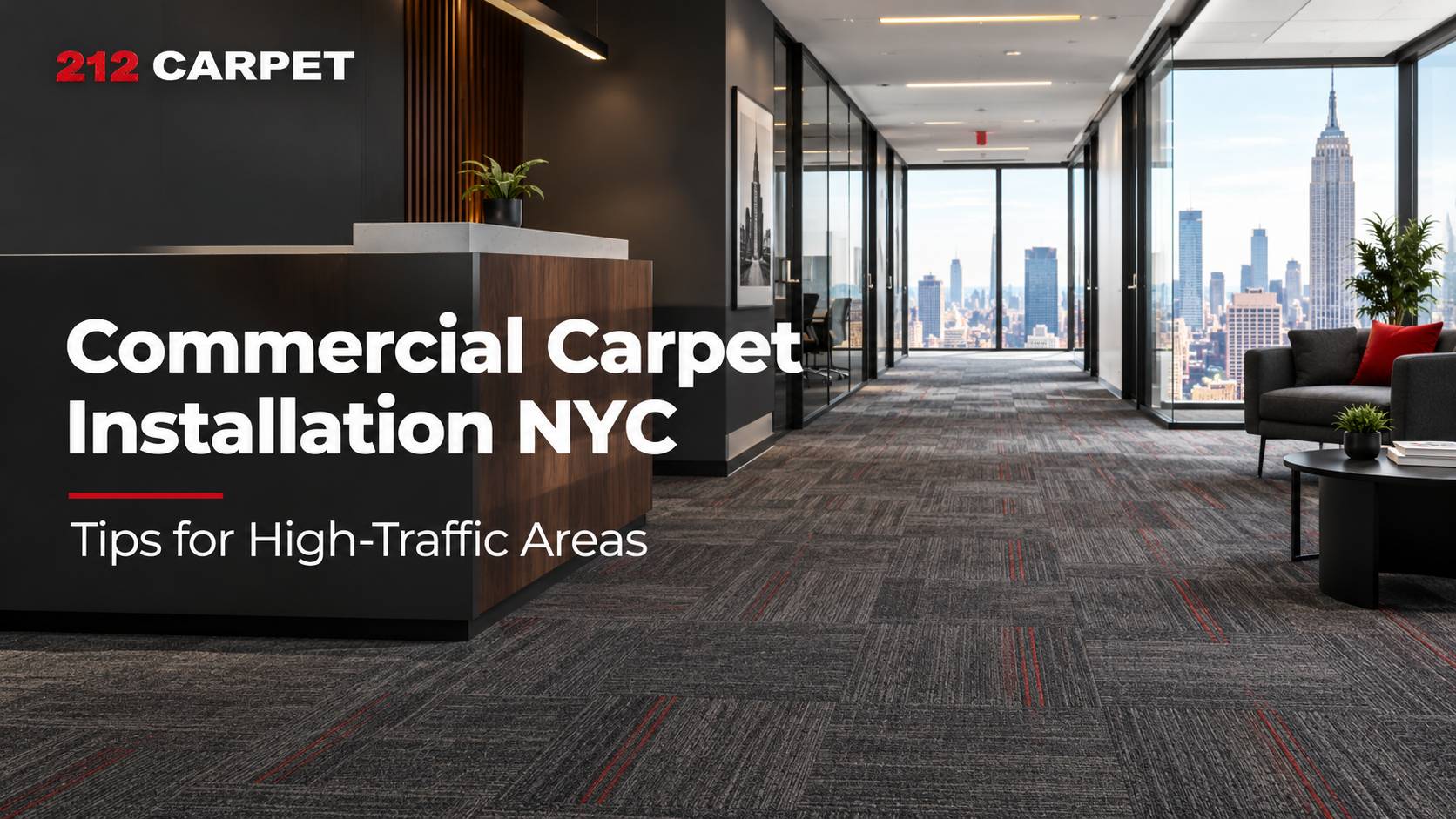
Selecting the right carpet for a commercial property is an important decision, particularly in areas that experience heavy foot traffic. Offices, retail stores, hotels, and other business environments require flooring that can with stand daily use while maintaining a clean and professional appearance. The right carpet can improve comfort, reduce noise, and contribute to the overall design of a workspace.
For businesses in New York City, commercial carpet installation NYC involves more than choosing an attractive flooring material. Factors such as durability, maintenance, subfloor preparation, and installation methods must also be considered. Understanding these requirements can help property owners make informed decisions and achieve better long-term results.
Why Choose Commercial Carpet for High-Traffic Areas?
Commercial carpet is designed to meet the demands of busy environments where flooring is exposed to regular movement and everyday wear. It is available in various materials, textures, and patterns, allowing businesses to select products that meet both practical and aesthetic requirements.
Key Benefits of Commercial Carpet
- Durability: Commercial carpet is available in materials and constructions designed to with stand frequent foot traffic.
- Noise Reduction: Carpet absorbs some of the sound produced by footsteps and daily activities, creating a quieter environment.
- Comfort: Compared with many hard flooring surfaces, carpet provides a softer and more comfortable walking experience.
- Design Flexibility: A wide selection of colours, patterns, and textures makes it easier to complement different commercial interiors.
- Maintenance Options: Certain carpet types, particularly carpet tiles, allow individual sections to be replaced when damaged.
These advantages make commercial carpet a suitable option for businesses seeking a balance between appearance, comfort, and functionality.
What to Consider When Choosing Commercial Carpet
Choosing suitable commercial carpet requires careful consideration of the material, construction, expected foot traffic, and maintenance requirements. Evaluating these factors before installation can help businesses select flooring that meets their specific needs.
Material Quality
The material used in commercial carpet influences its durability, appearance, and cleaning requirements. Several materials are commonly considered for commercial applications.
- Nylon: Nylon is known for its resilience and ability to recover from compression, making it a popular option for areas with regular foot traffic.
- Polypropylene (Olefin): This material offers moisture resistance and affordability, although its suitability depends on the intended application and product specifications.
- Polyester: Polyester is available in a variety of colours and textures. It may be appropriate for selected commercial spaces where its performance characteristics meet the project’s requirements.
When selecting carpet, businesses should consider the manufacturer’s specifications, expected usage, and long-term maintenance needs.
Carpet Construction
Carpet construction affects both appearance and performance. Understanding the main types can help property owners identify a suitable option.
- Loop Pile: This construction features loops of yarn that create a textured surface. It is commonly considered for commercial environments because of its practical design.
- Cut Pile: Cut pile carpet has exposed yarn ends that create a softer surface. Its suitability depends on the level of foot traffic and the product’s construction.
- Cut and Loop: This style combines different yarn heights or textures to produce decorative patterns.
- Carpet Tiles: These modular sections offer flexibility in design and make it possible to replace individual tiles rather than the entire carpeted area.
The final selection should reflect the building’s daily activities, appearance requirements, and maintenance arrangements.
Backing and Underlayment
Carpet backing contributes to the stability and performance of the flooring system. Depending on the selected carpet, the installation may require a particular adhesive, underlayment, or other supporting materials.
The subfloor must also be properly prepared before installation. It should meet the manufacturer’s requirements for cleanliness, dryness, and surface flatness. Addressing existing damage or moisture problems can help prevent installation difficulties and premature flooring failure.
Maintenance Requirements
Commercial carpet should be selected according to the cleaning resources and maintenance schedule available to the business. Areas exposed to dirt, spills, and frequent movement may benefit from suitable patterns and products with appropriate stain-resistance properties.
Regular vacuuming, entrance mats, and prompt treatment of spills can help maintain the carpet’s appearance. Businesses should also follow the manufacturer’s cleaning recommendations to avoid damaging the fibres or backing.
Expert Tips for Commercial Carpet Installation
The quality of installation plays an important role in determining how well commercial carpet performs over time. Even a suitable product may develop problems if the subfloor is poorly prepared or the installation method is inappropriate.
Prepare the Subfloor Properly
A clean, dry, and sufficiently level subfloor provides a suitable foundation for carpet installation. Existing adhesive, loose material, cracks, and moisture issues should be assessed before the work begins.
Where necessary, the surface should be repaired or levelled according to the flooring manufacturer’s requirements. Proper preparation helps reduce the risk of uneven surfaces, adhesive failure, and visible defects after installation.
Select an Appropriate Installation Method
The installation method should match the carpet type, subfloor conditions, and intended use of the space.
- Direct Glue-Down: The carpet is attached directly to the prepared subfloor using a suitable adhesive. This method can be appropriate for commercial areas where stability is important.
Carpet Tile Installation: Individual tiles are installed according to the manufacturer’s instructions. This approach offers flexibility in layout and can simplify localised repairs. - Stretch-In Installation: The carpet is secured over suitable padding using a compatible fastening system. Its use depends on the product specifications and the requirements of the commercial environment.
Consulting a professional installer can help determine which method is appropriate for the project.
Ensure Accurate Seaming and Trimming
Precise measurements and careful alignment are essential for achieving a consistent finish. Poorly joined seams or incorrectly trimmed edges can affect the appearance and durability of the carpet.
Professional installers should follow the manufacturer’s guidelines to ensure that seams, edges, and patterns are aligned correctly. Attention to these details helps produce a neat and professional result.
Follow Installation Conditions
Some carpet products and installation materials require specific temperature, humidity, or acclimation conditions. These requirements should be checked before installation begins.
Following the manufacturer’s instructions can help reduce installation-related problems and support the expected performance of the flooring system.
Hire Experienced Professionals
Commercial flooring projects often involve large installation areas, furniture, restricted building access, and specific operating schedules. An experienced commercial carpet installer in NYC can assess these requirements and coordinate the work accordingly.
Professional installation also helps ensure that appropriate materials, preparation techniques, and installation methods are used throughout the project.
Best Practices for Maintaining Commercial Carpet
Once the carpet has been installed, regular maintenance is essential for preserving its appearance and extending its useful life. A consistent cleaning routine can also help businesses manage ongoing flooring costs.
Establish a Regular Cleaning Routine
Frequent vacuuming removes loose dirt and debris before they become embedded in the carpet fibres. Periodic deep cleaning may also be necessary, depending on the level of use and the manufacturer’s recommendations.
Protect Entrance Areas
Dirt and moisture are often carried into buildings through entrances. Placing suitable mats near doorways can help reduce the amount of debris reaching the carpeted areas. These mats should be cleaned regularly to remain effective.
Replace Damaged Carpet Tiles
One advantage of carpet tiles is the ability to replace individual sections when they become damaged or heavily stained. Keeping compatible replacement tiles available can make future repairs more convenient and help maintain a consistent appearance.
Treat Spills Promptly
Spills should be addressed as soon as possible to reduce the likelihood of permanent staining. Cleaning products should be appropriate for the carpet material, and excessive moisture should be avoided when it could affect the backing or adhesive.
Inspect High-Traffic Areas Regularly
Routine inspections can help identify loose seams, damaged tiles, discolouration, and other signs of wear. Taking action early may prevent minor issues from developing into more extensive repairs.
Conclusion: Choosing Commercial Carpet Installation in NYC
Selecting the right commercial carpet requires careful planning and an understanding of the property’s practical requirements. Material quality, carpet construction, installation techniques, and maintenance arrangements all influence the final result.
For businesses planning commercial flooring projects, 212 Carpet provides Commercial Flooring Installation Services to help clients explore suitable flooring options for their properties. From commercial carpet to carpet tiles and other flooring materials, the company offers solutions for a variety of commercial environments.
Whether you are renovating an office, updating a retail space, or improving a larger commercial property, choosing appropriate materials and professional installation can contribute to a more comfortable and presentable workplace.